Edelstahlrohre im Großhandel – Qualitätsbestände von Reliable China Factory Direct
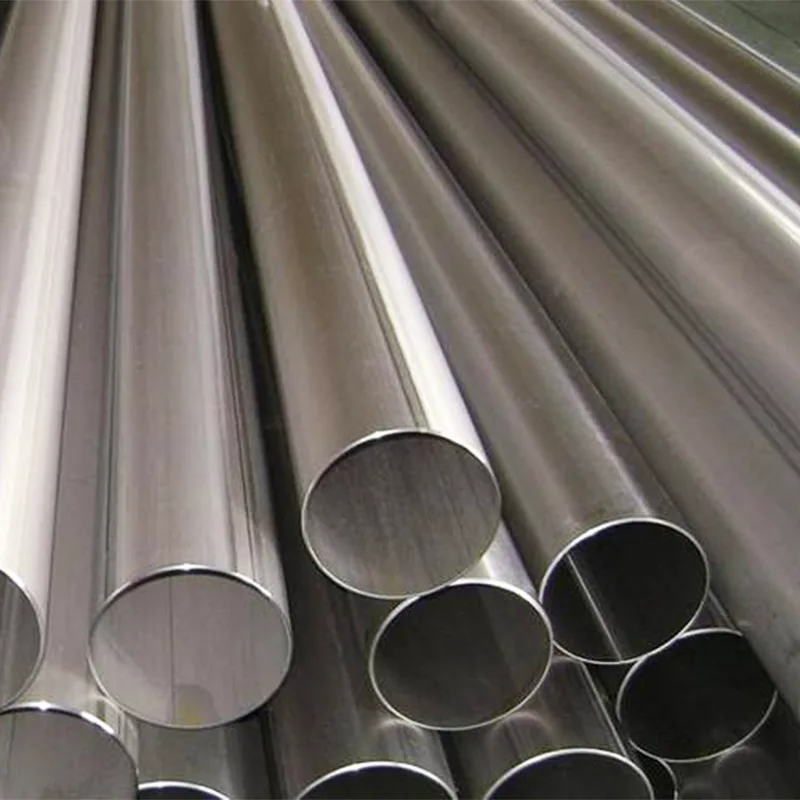
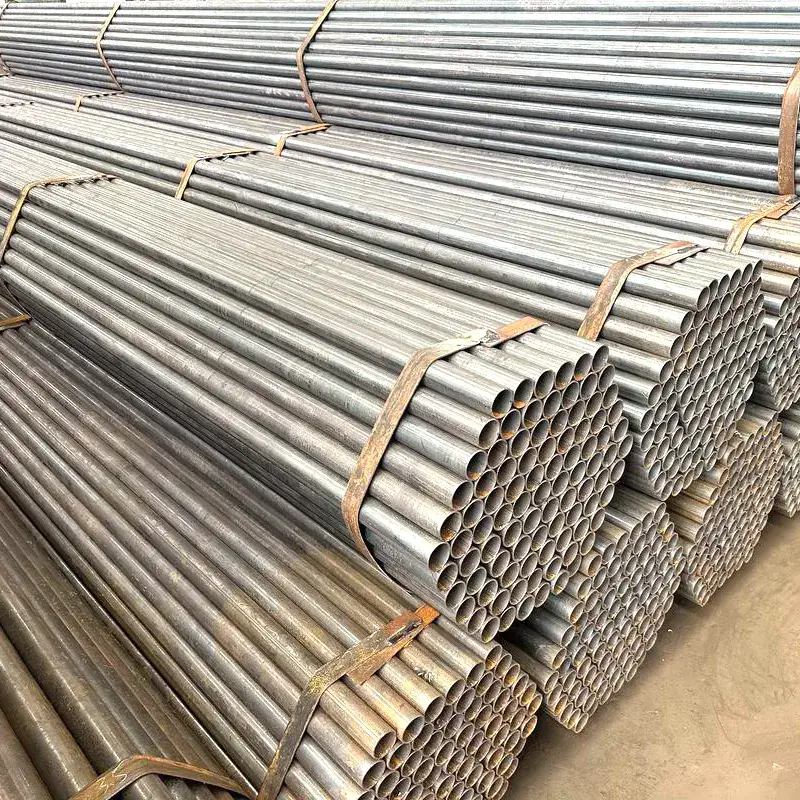
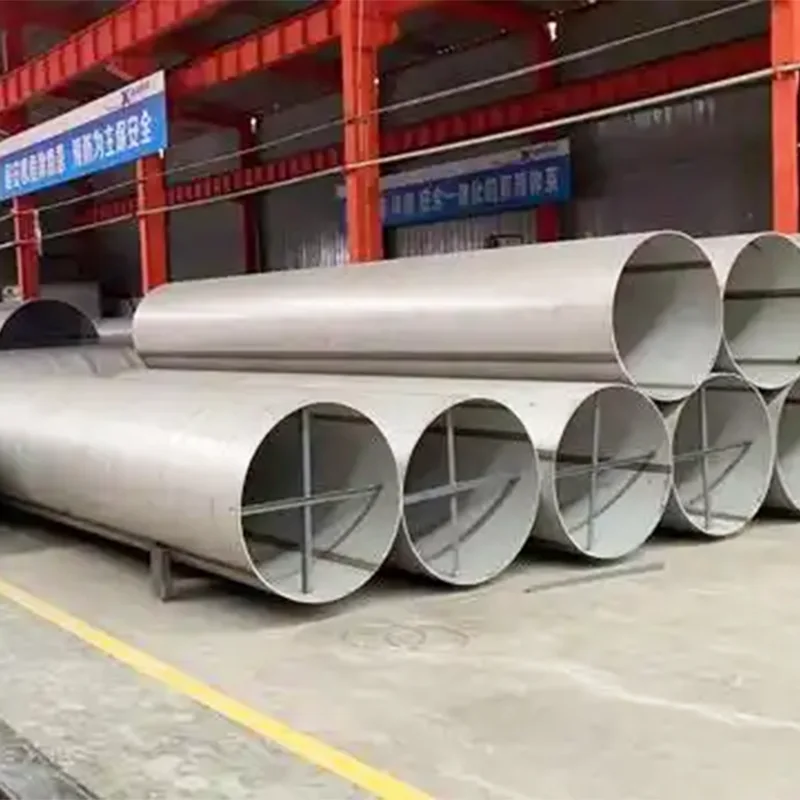
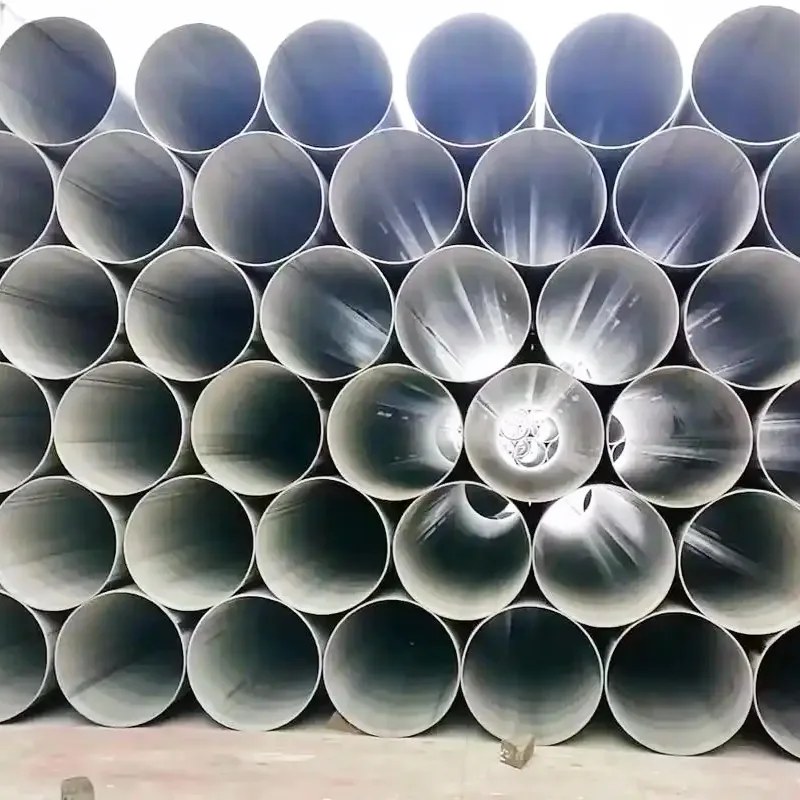
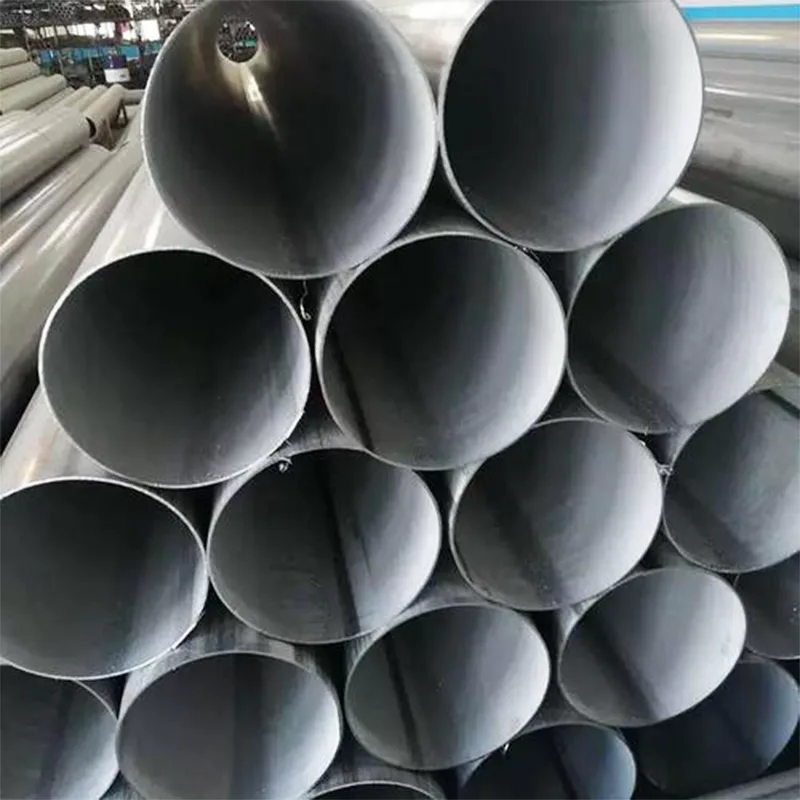
Stainless steel pipes are mainly divided into two categories: seamless stainless steel pipes and welded stainless steel pipes. Their shapes include round, square, rectangular, and oval pipes. According to their uses, they can be divided into industrial fluid pipes, boiler heat-resistant pipes, precision instrument pipes, building decoration pipes, and sanitary food-grade pipes. Commonly used materials include 201, 304, 316L, 321, 310S, and 2205.
Stainless steel pipes have outstanding practical advantages. They have strong rust and corrosion resistance, are not afraid of acids, alkalis, humidity, and coastal salt spray environments, and are not easily oxidized and damaged. They have excellent high and low temperature resistance, stable performance under cold and hot environments, and are not easily deformed or cracked. The inner wall of the pipe is smooth, resulting in low resistance to the transported medium, preventing scaling and blockage, and ensuring high flow efficiency. The material is safe, non-toxic, clean, and hygienic, suitable for drinking water, food, and pharmaceutical transportation. They have high overall mechanical strength, strong pressure resistance, are durable, and have a service life far exceeding that of ordinary pipes. They are also easy to cut and weld, convenient to install, and have low maintenance costs. They are widely used in many fields such as chemical, heating, municipal plumbing, machinery equipment, and environmental protection engineering.
Comparison Table of Common Stainless Steel Welded Pipe Material Parameters
|
Material Types: |
Core Performance Characteristics |
Applicable Temperatures |
Main Application Scenarios |
Value for money |
|
201 |
Weak rust resistance, good toughness, easy to process, moderate corrosion resistance |
Normal Room Environment |
Building decoration, railings, shelves, general household pipe fittings |
Lowest price |
|
304 |
Excellent overall corrosion resistance, strong versatility, easy to weld and form |
≤450℃ |
Water supply and drainage pipes, food processing pipes, general industrial fluid pipes |
Highest value for money |
|
316L |
Molybdenum-added corrosion resistance, strong resistance to chloride ions, acids, and alkalis |
≤500℃ |
Chemical fluids, seawater transportation, medical equipment pipe fittings |
Moderate to high price |
|
321 |
Titanium-containing structure stabilizes, resists intergranular corrosion, good weldability |
≤600℃ |
Boiler pipes, heating pipes, high-temperature welded pipe fittings |
High price |
|
309S |
Excellent high-temperature resistance and oxidation resistance |
900-980℃ |
High-temperature flues, heat treatment furnace piping, heat-resistant air ducts |
Relatively high price |
|
310S |
Ultra-high temperature resistance, top-tier oxidation resistance |
1000-1150℃ |
Incinerator pipes, high-temperature kiln pipe fittings, high-temperature exhaust gas pipes |
Extremely high price |
|
2205 Duplex |
High strength, resistant to stress corrosion and high-chlorine corrosion |
Medium-High Temperature and Strong Corrosion Environment |
Desulfurization pipes, marine engineering, high-salinity wastewater transportation pipes |
High-end and expensive |
What is the price of a 20-foot stainless steel pipe?
For stainless steel pipes of the same material and outer diameter, the thicker the wall, the more material is used and the greater the weight, resulting in a higher price. Thin-walled pipes are cheaper, while thick-walled pipes are more expensive. For common 304 stainless steel welded pipes, a 25mm outer diameter and 2mm wall thickness costs approximately $16, a 50mm outer diameter and 3mm wall thickness costs approximately $49, and a 108mm outer diameter and 4mm wall thickness costs approximately $147. These prices are for reference only. Seamless pipes of the same specifications are slightly more expensive than welded pipes. Prices for all types of pipes steadily increase with increasing wall thickness.
What is the service life of stainless steel pipes?
The service life of stainless steel pipes is not fixed and depends mainly on the material grade, usage environment, wall thickness, processing technology, and maintenance. The typical range is from 10 years to over 100 years. Below are specific lifespan data and key influencing factors for different scenarios:
Service Life of Different Materials
|
Material |
Dry indoor environment |
Typical outdoor environment |
Chlorine-containing environments (e.g., coastal areas) |
Highly corrosive environments (chemical/seawater) |
|
201 |
20-30 years |
10-20 years |
5-8 years (requires frequent maintenance) |
1-3 years (not recommended) |
|
304/304L |
50-100 years + |
30-50 years |
15-30 years |
5-15 years |
|
316/316L |
70-100 years + |
40-60 years |
30-50 years + |
15-30 years + |
|
321/310S |
60-100 years + |
40-50 years |
25-40 years |
20-30 years |
|
2205 Duplex Stainless Steel |
70-100 years + |
50-70 years + |
50 years + |
30-50 years + |
- View as
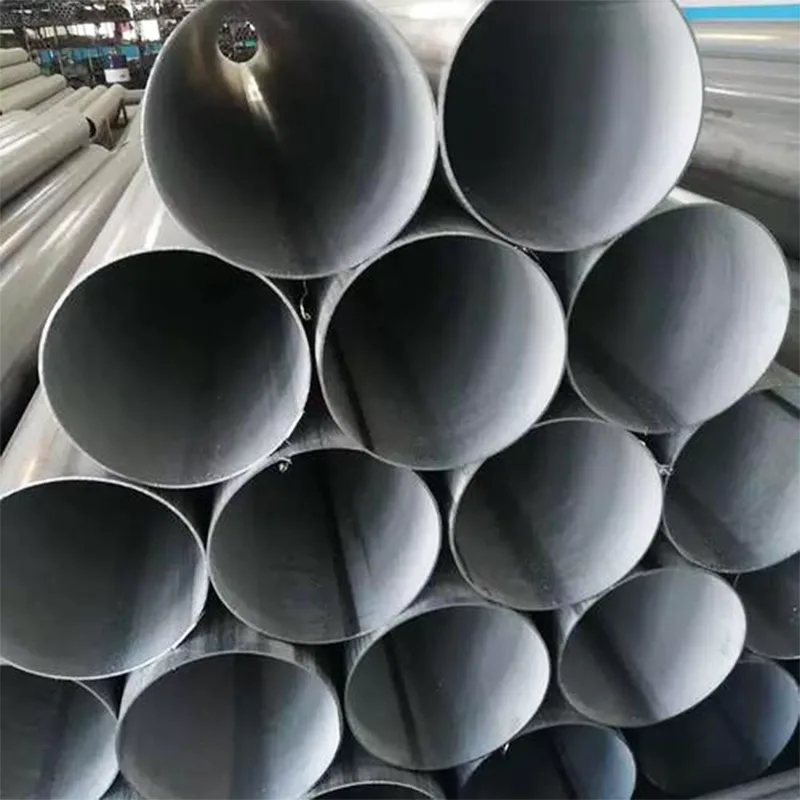
Geschweißtes Rohr aus Edelstahl 2507
Hersteller von geschweißten Rohren aus Edelstahl 2507 verfügen über einen großen Lagerbestand mit Außendurchmessern von 16 bis 219 mm, Wandstärken von 0,8 bis 6 mm und Standardlängen von 6 Metern. Sondergrößen und Längen sind auf Anfrage erhältlich. Polier- und Bürstbehandlungen werden unterstützt. Diese Rohre werden häufig in der Rauchgasentschwefelung, der Meerwassertechnik und in Rohrleitungen für stark korrosive Chemikalien eingesetzt.
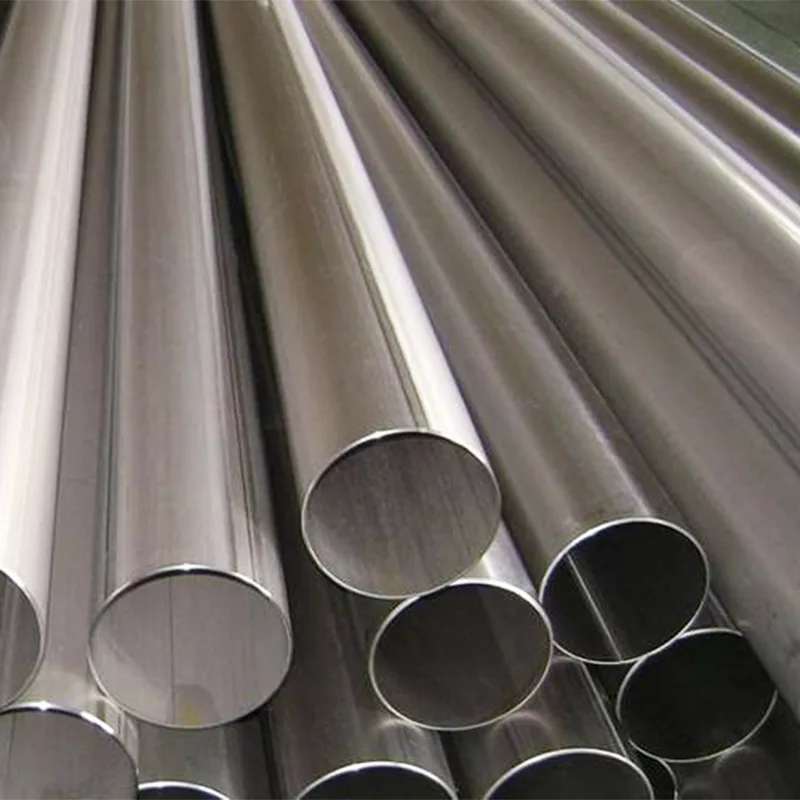
Geschweißtes Rohr aus Edelstahl 2205
Geschweißte Rohre aus Edelstahl 2205 sind mit Außendurchmessern von 10–3000 mm, Wandstärken von 0,5–30 mm und Standardlängen von 6 m/12 m erhältlich. Schweißverfahren sind hauptsächlich WIG/MIG mit Oberflächenbeizen und Passivierung. Zu den Verbindungsmethoden gehören Schweißen und Flanschen. Eine individuelle Anfertigung ist mit kurzen und zuverlässigen Lieferzeiten möglich.
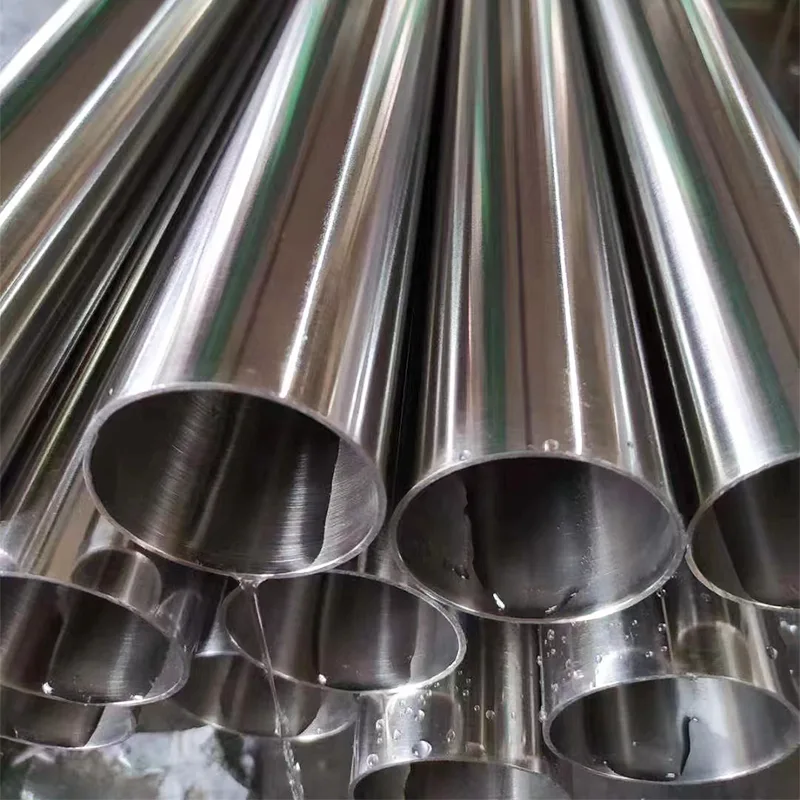
Geschweißtes Rohr aus 254 Edelstahl
Geschweißtes Rohr aus Edelstahl 254, allgemein bekannt als geschweißtes Rohr 254SMO, ist eine Art geschweißtes Rohr aus superaustenitischem Edelstahl, entsprechend der UNS-Nummer S31254 und der deutschen Güteklasse 1.4547. Er gehört zur 6-Molybdän-Super-Edelstahlserie und ist nach seinem etwa 6 %igen Molybdängehalt benannt. Es handelt sich nicht um einen Duplexstahl, sondern um einen hochlegierten austenitischen Edelstahl mit extrem hoher Beständigkeit gegen Lochfraß, Spaltkorrosion und Spannungsrisskorrosion.
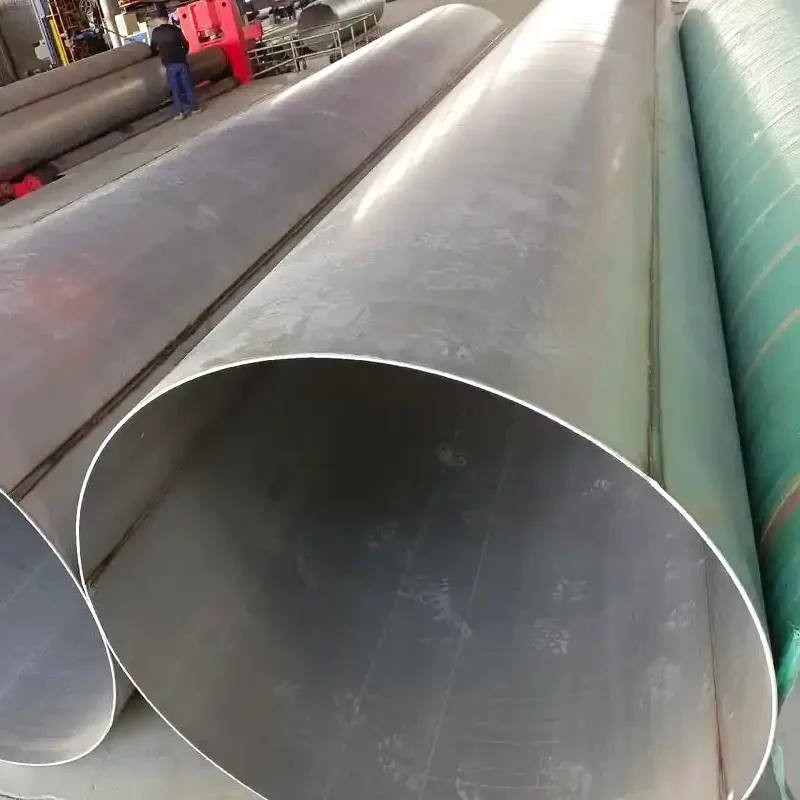
Geschweißtes Rohr aus Edelstahl 309S
Geschweißte Rohre aus Edelstahl 309S haben einen hohen Chrom- und Nickelgehalt, eine ausgezeichnete Hochtemperaturbeständigkeit und können über einen längeren Zeitraum Temperaturen von bis zu 1000 °C standhalten. Es weist außerdem eine hohe Beständigkeit gegen Hochtemperaturoxidation und thermische Ermüdung auf. Durch die Kombination aus guter Korrosionsbeständigkeit und Schweißbarkeit ist es in Umgebungen mit hohen Temperaturen nicht anfällig für Verformung und Rissbildung. Führende chinesische Hersteller von geschweißten Edelstahlrohren empfehlen 309S als geeignete Wahl für Industrierohrleitungen mit mittlerer und hoher Temperatur, wie z. B. Hochtemperaturabzüge, Industrieöfen und Wärmebehandlungsanlagen.
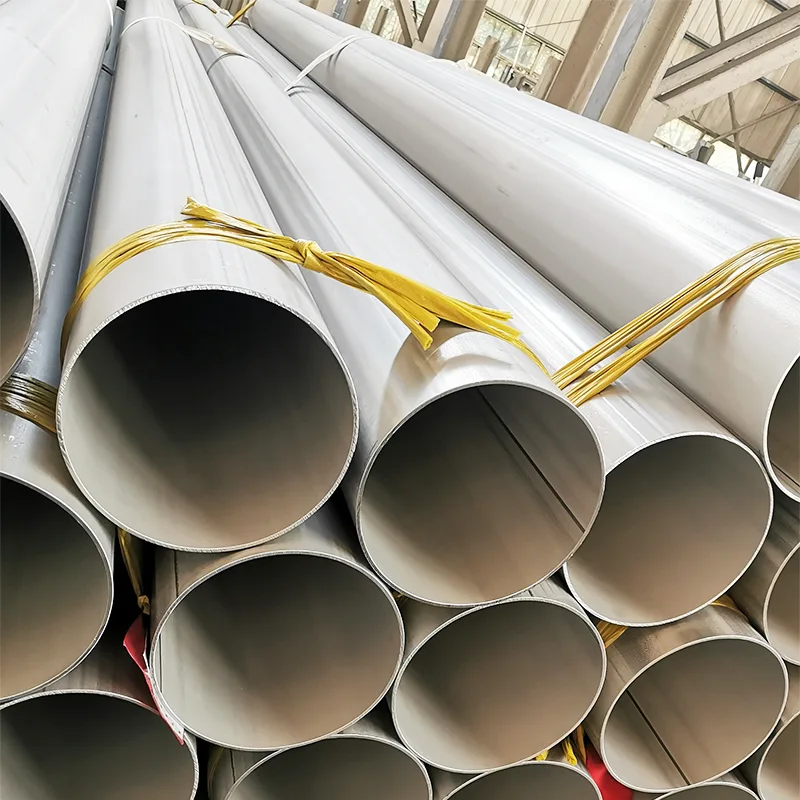
Geschweißtes Rohr aus Edelstahl 321
Geschweißte Rohre aus Edelstahl 321 enthalten Titan, was die interkristalline Korrosion effektiv hemmt, sie nach dem Schweißen weniger anfällig für Rost und Risse macht und eine ausgezeichnete thermische Stabilität aufweist. Es weist eine gute Hochtemperaturbeständigkeit auf, verformt sich unter wechselnden heißen und kalten Bedingungen nicht leicht, weist eine gute Plastizität für eine einfache Verarbeitung und Umformung sowie eine hohe Ermüdungsbeständigkeit auf. Chinesische Hersteller von geschweißten Edelstahlrohren empfehlen das Material 321 als geeignete Wahl für Kesselrohre, thermische Anlagen und Hochtemperatur-Wärmetauschrohre.
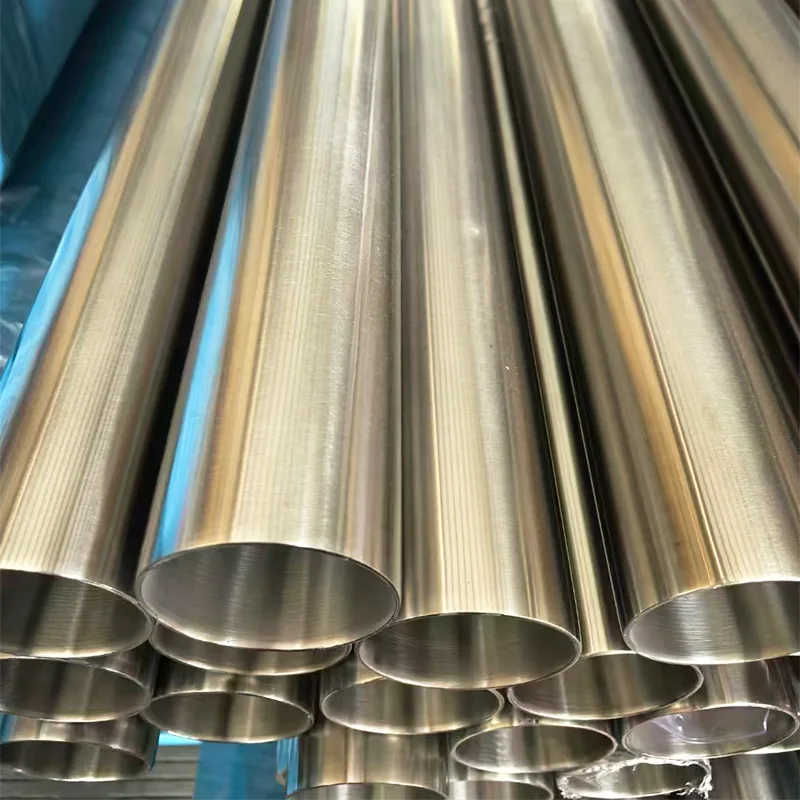
Geschweißtes Rohr aus 310S-Edelstahl
Der Hauptvorteil von geschweißten Rohren aus 310S-Edelstahl ist seine hohe Temperaturbeständigkeit, die dauerhaft 1150 °C und kurzzeitig 1200 °C standhält. Die führende Innovationsfabrik in China hat in der Regel die folgenden Spezifikationen auf Lager: Außendurchmesser 16–219 mm, Wandstärke 0,8–5,0 mm, Standardlänge 6 Meter und unterstützt kundenspezifische Bestellungen.
Lingchuang ist ein professioneller Edelstahlrohr Hersteller und Lieferant in China. Willkommen beim Import von Qualitätsprodukten aus unserer Fabrik hier.